Blog
How Designers Are Using AI Tools Responsibly
Here's how our team uses AI to earn back a bit of extra thinking time - and exactly where we draw the line.
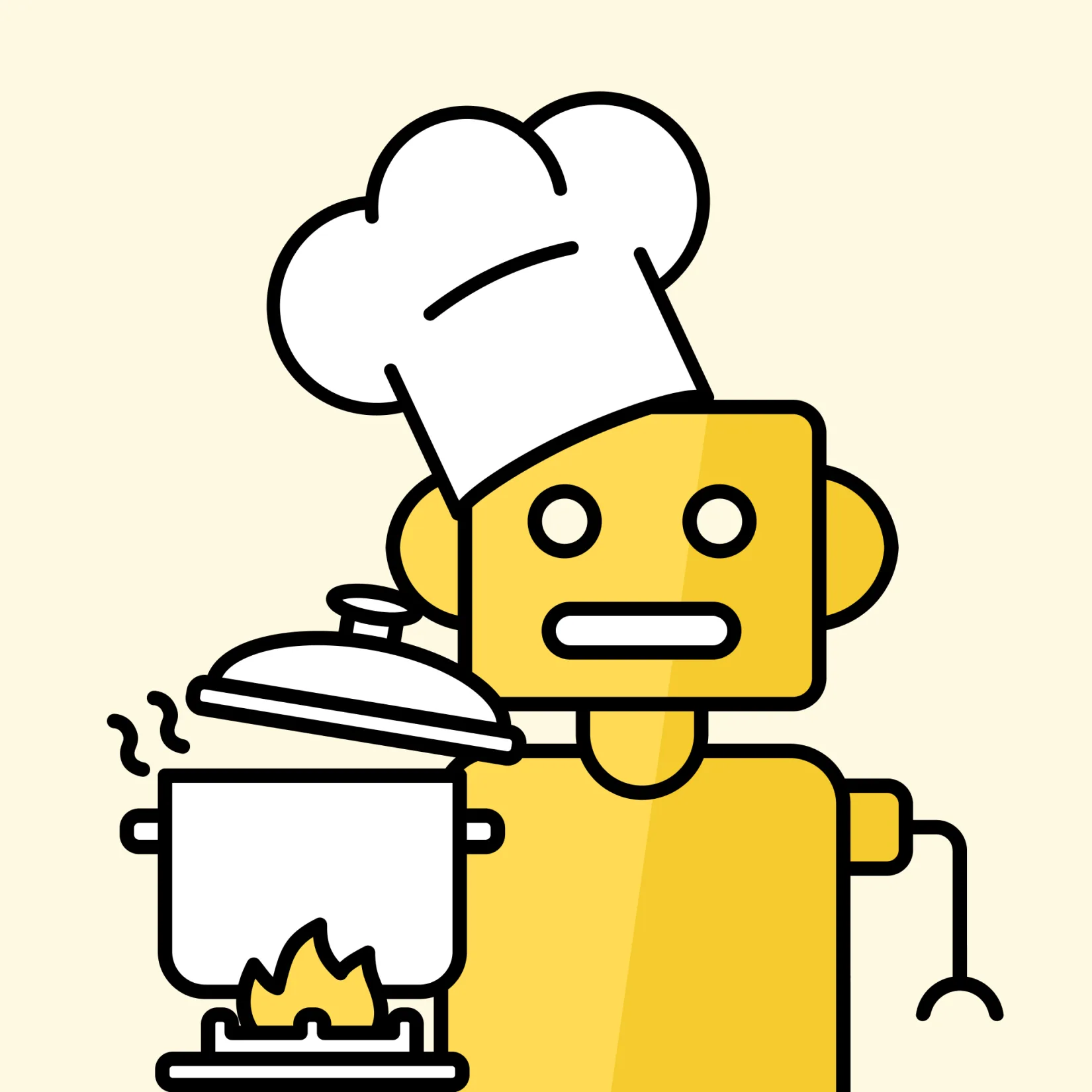
A great way to get a point across is with a metaphor. Since we’re in the business of making things, let’s go with cooking.
Think of a good sauce. Simmer it for 30 minutes and it reduces. The flavours intensify, things get complex and you get a damn fine sauce. Give it another 15 to 20 minutes though? Something else happens, it reduces further. It gets richer, more complex and ends up being an absolute flavour bomb. That extra bit of time is what separates great from outstanding.
That’s how designers see AI at eyekiller. It’s not the sauce. It’s not the recipe. It’s what gives us that extra 15 to 20 that takes things from great to outstanding.

Efficiency, not replacement
We don’t use AI to do the work. We use it to buy time back. In a time-crunched world, that little bit of extra breathing room is really valuable for a designer. We ponder, we mull things over. That is when the great stuff happens.
The temptation with any new tool is to let it do more than it should. To send a few prompts, upload a few documents, tweak a few things and call it done. That’s not something we’re interested in. We want to see that spark when a concept gets 45 minutes instead of 30. The extra simmer time. AI can hand us that time back. What we do with it is entirely on us.
Used with intent, not frivolously
We’re also conscious that AI isn't free to run. Every prompt sits on top of a data centre somewhere, drawing power and, in many cases, water to keep the hardware cool. It’s easy to ignore this but regardless, the cost is real. It adds up fast when a tool becomes the first move for everything you do.
We don’t treat AI as a reflex. We ask a simple question before we reach for it: does this task actually need it? For us, a lot of the time it’s no. A quick sketch, a chat with a teammate or 5 minutes of research does the job just as well without the overhead. When AI does earn its place, we use it deliberately and move on.
Being responsible with AI isn’t just about how it affects the work, it’s about being honest with yourself about when we actually need it.
The human is the point
Every designer on our team sees things differently. Now, that’s class. No two of us would land on the same solution to the same brief. We celebrate that individuality because time and time again we see that as the source of our best work. All that variety in thinking, in process, in style. AI can very quickly flatten that. Smooth out that fingerprint and land on a safe middle ground of a range of broad choices. We’re not into that.
Where our robot friend helps
Research
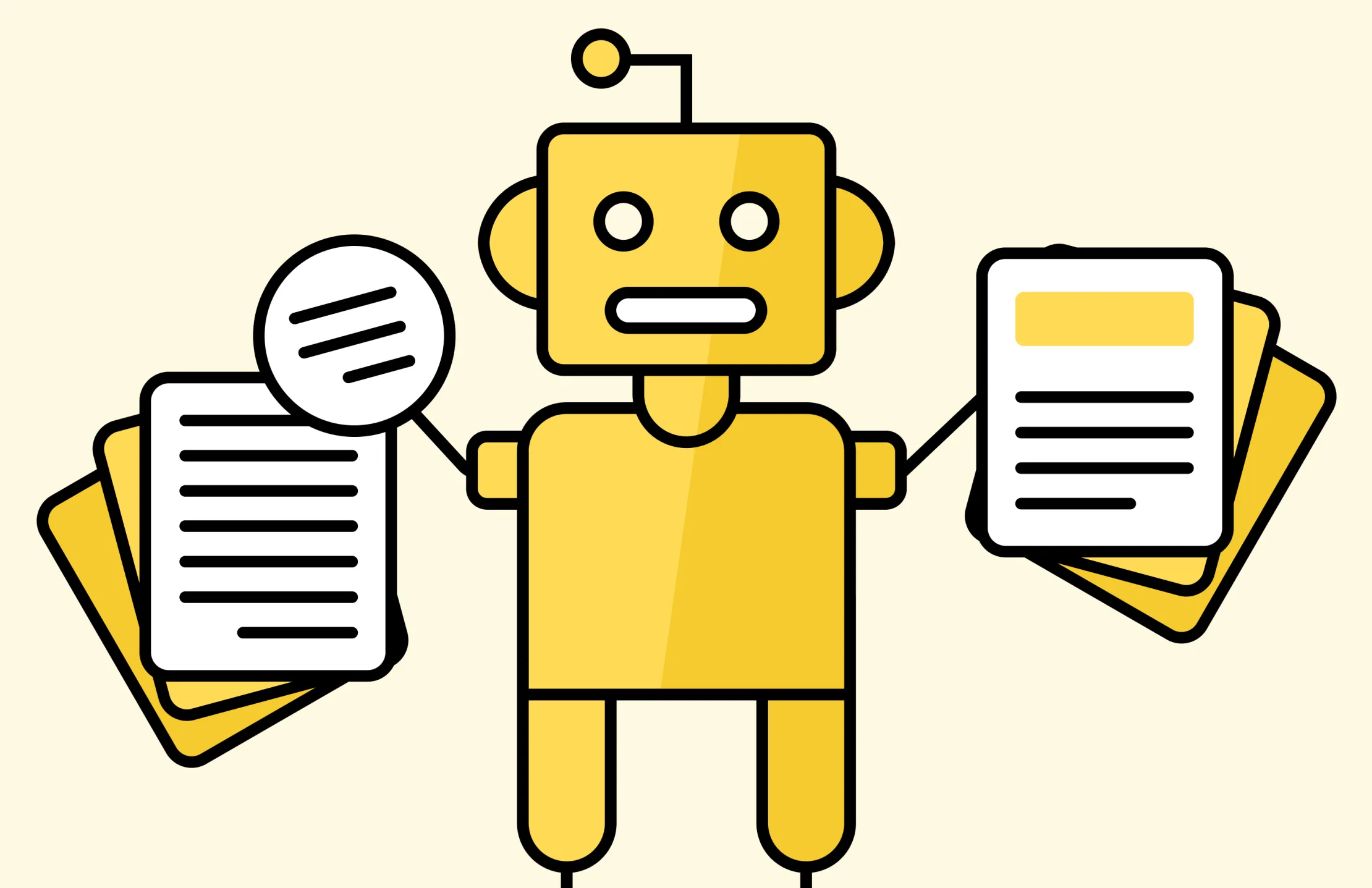
Some of what we have found AI to be genuinely good at is the un-glamourous groundwork. Getting the lay of the land of a sector, pulling together information from multiple sources, summarising all that information for referring back to. That can eat up a lot of time if you’re doing it manually.
AI speeds this part up. It allows us to keep or ditch information quickly. It doesn’t replace the thinking, it just helps speed it up.
Iteration
Same deal, once we’ve got direction there’s often a lot of information to process quickly, layout options to explore, copy to test, how information sits in a space.
AI helps us move through those yes/no answers quicker. It’s not making those decisions, it’s just cutting the time it takes us to make them.
Every pixel is a human decision
This is the bit we all feel strongly about. We are not just overseeing what AI produces and giving it the nod of approval. We’re not prompting a tool to make something, then looking at it and calling it good enough. We’re not the quality checkers of desAIgners…
We are the ones making the work.
Every pixel spacing, every shade, every visual hook is a physical decision made by a person. If an icon is a certain style, it’s because a designer chose it. If an image has 6px rounded corners, it’s because a designer landed on that number and decided it was right. We enjoy the challenge of the blank screen, we enjoy building from the ground up but most importantly, we believe that is how the best work gets done and that is exactly what our clients are paying for.
Being upfront with you
We’re just as direct about this with people we work with. If AI played a part in reaching a decision, we’ll say so. If it didn’t, we’ll say that too. There’s no blurred line for us to hide behind. The thinking may be faster in places, the making is always human.
AI and this article
It felt weird to write a piece about using AI responsibly without actually showing it in practice, so here’s how AI has factored into me writing this article.
I started off by thinking of some points I wanted to talk about, in no particular order. I write out each one as a heading with a few notes on what to cover then pop that into Claude to start developing the structure. I was able to arrange things in a way that made sense with what I had and add in a few more parts to help the article flow. Could I have done that on pen and paper or in a word doc? Sort of. But this approach bought back some time and allowed me to expand my thinking so that what you are reading is hopefully worth your time. I did ask for a review of my spelling and grammar too. I’m not a writer.
That’s the whole principle in a condensed form, a bit of extra time bought back in the planning stages allowing the human to do their thing a little bit more comfortably.
Out of the suggestions I was given by the robot overlord, I picked one that I really liked. It’s not the metaphor by the way that was all me…it was a suggestion on flow, to round things off with the metaphor again.
Speaking of which, back to the sauce
Thirty minutes gets you a good sauce. Forty five gets you a great one. The extra time allows the chef to pay extra attention to what’s going on in the pot, check for seasoning, thicken the sauce and decide when it’s really ready to come off the heat.
At eyekiller, that’s what AI gives us as designers. Time. What we do with that time, the care, the craft, That’s entirely up to us. That individual eye of every designer, with all its fantastic nuance and experience, that’s still there. And that’s exactly how we like it.